

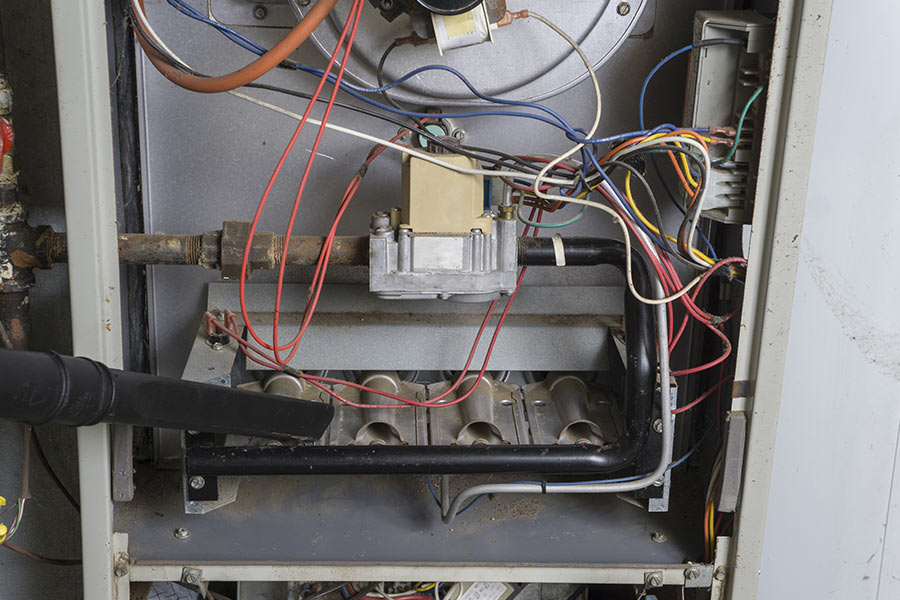
If your heating and cooling system isn’t working correctly, you might want to fix it yourself and save money. Before you start watching tutorial videos, consider the risks of DIY HVAC repair. Whether you’re dealing with a malfunctioning air conditioner or furnace, attempting repairs without proper training can lead to costly mistakes.
Do you need HVAC repair in High Point, NC? Our team at Automated Comfort Systems explains why professional services are better than DIY repairs below.
The Hidden Dangers of DIY HVAC Repairs in High Point
DIY HVAC repair requires specialized knowledge that goes beyond basic home maintenance skills. Professional HVAC technicians undergo extensive training to understand the complexity of heating and cooling systems and their components.
You have plenty of reasons to avoid attempting repairs on your own.
1. Safety Risks
Working with heating and cooling systems exposes you to dangerous electrical components and harmful chemicals. Refrigerant handling requires EPA certification, as improper exposure can cause severe health issues.
High-voltage electrical connections can create shock hazards up to 240 volts, and accumulated static electricity can damage sensitive electronic components. Working in confined spaces like attics or crawl spaces without proper safety equipment also increases the risk of injury.
2. Limited Access to Parts
HVAC suppliers only sell components to licensed High Point contractors. Without access to genuine replacement parts, you might install incompatible or low-quality alternatives that damage your system.
Aftermarket parts often lack proper safety certifications and may not meet local building codes. Using incorrect components can lead to system inefficiency, increased energy costs, and potential fire hazards.
3. Lack of Professional Tools
Standard household tools aren’t suitable for DIY HVAC repairs. Technicians use diagnostic equipment to identify and fix problems accurately.
Professional-grade multimeters, manifold gauges, vacuum pumps, and recovery machines are essential for safe repairs. These tools require training to operate correctly and can cost thousands of dollars.
4. Time-Consuming Diagnostics
Without proper training, you’ll spend hours trying to diagnose problems that professionals can identify quickly. This wasted time often leads to incorrect repairs.
Modern HVAC systems have complex electronic control boards that require specific diagnostic procedures. Misinterpreting error codes or test readings can result in replacing the wrong components.
5. Warranty Implications
Most manufacturers require professional installation and maintenance to maintain warranty coverage. DIY HVAC repairs typically void these valuable protections. Warranty claims often require detailed service records from licensed contractors, so a voided warranty can cost you thousands in future repair or replacement expenses.
6. Costly Mistakes
One wrong move can transform a minor repair into a major system replacement. Typically, the cost of fixing DIY mistakes exceeds professional repair fees.
For example, improper refrigerant charging can damage the compressor, while incorrect wiring can destroy circuit boards. Emergency repairs after failed DIY attempts typically cost two to three times more than initial professional service.
7. Environmental Impact
Did you know improper heating and cooling repairs can release harmful refrigerants into the atmosphere? These chemicals contribute to ozone depletion, so the federal government regulates them.
DIY repairs may also cause system efficiency reductions, increasing your High Point home’s carbon footprint and energy consumption.
8. Code Compliance
DIY repairs often violate local building codes and regulations. Non-compliant installations can lead to failed home inspections, insurance claims denials and safety violations. Professional contractors understand and follow current mechanical codes, ensuring your system meets all legal requirements.
What Can High Point Homeowners Do for Their HVAC Systems?
Regular maintenance from certified technicians helps prevent major system failures and extends equipment life. Though DIY HVAC repair isn’t advisable, you can safely handle the following maintenance tasks for your heating and cooling system:
- Replacing air filters every one to three months based on usage
- Cleaning return air vents and registers monthly
- Checking thermostat batteries and settings
- Testing smoke and carbon monoxide detectors
- Inspecting visible ductwork for damage
- Maintaining 2-foot clearance around outdoor units
Keep detailed records of all maintenance activities, including filter changes and professional service visits. Monitor your energy bills for sudden increases that may indicate efficiency problems, and schedule professional maintenance in spring and fall to prepare for peak heating and cooling seasons.
Remember that routine maintenance differs from repairs. If you notice unusual noises, odors, or performance issues, contact a licensed HVAC contractor immediately.
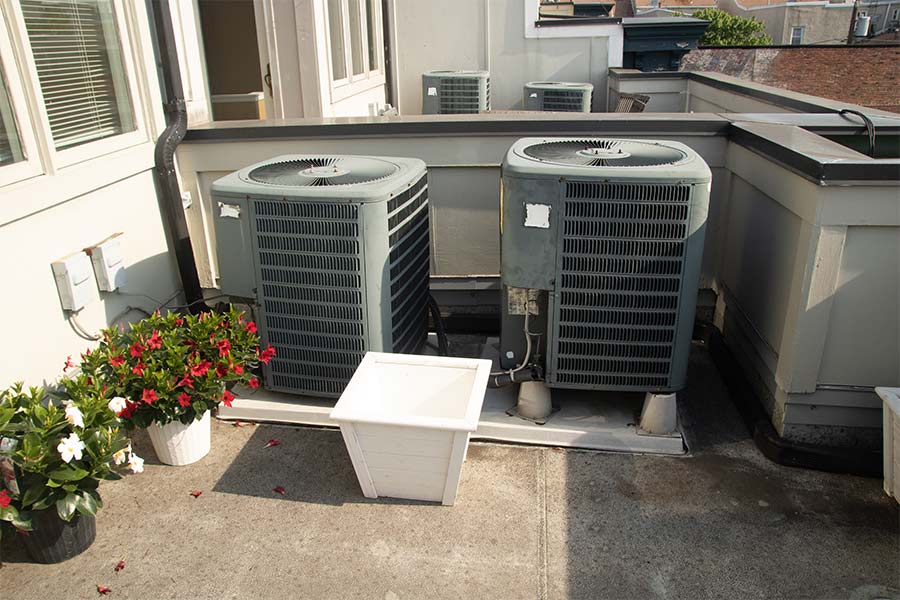
Trust Automated Comfort Systems, Your Local HVAC Solution
DIY HVAC repair risks your safety and system performance. If you notice any signs you need HVAC repair services, we’re here to help. Our licensed technicians provide reliable HVAC solutions throughout High Point, North Carolina.
Contact Automated Comfort Systems today for professional HVAC repair you can trust.