

Your air conditioner suddenly will not shut off, even though your home feels ice cold. This frustrating scenario often points to a failing AC sensor, a critical component that enables your cooling system to operate efficiently. When homeowners ask, “How do I know if my AC sensor is bad?” there are several telltale signs that point directly to sensor problems.
AC sensors play a vital role in maintaining comfortable indoor temperatures by measuring air conditions and communicating with your system’s controls. A malfunctioning sensor can lead to energy waste, uncomfortable temperatures, and costly repairs if left unaddressed. Homeowners throughout Kernersville, NC, deserve a cooling system they can count on, especially during the long, humid summers that settle over Forsyth County.
In this guide, Automated Comfort Systems explains the clear warning signs that indicate your AC sensor needs professional attention.
Clear Warning Signs of AC Sensor Problems in Kernersville
Recognizing the symptoms of a failing sensor can save you money and prevent uncomfortable living conditions. Your air conditioner relies on accurate temperature readings to cycle on and off properly, so sensor issues create noticeable disruptions throughout the home. Many Kernersville homeowners first notice problems when their cooling costs suddenly spike during peak summer months, or when the system starts behaving in ways that simply do not match what the thermostat is set to do.
Working in homes across Kernersville, our technicians have seen every variation of sensor failure, and the signs below are the ones that show up most consistently.
1. Your System Runs Constantly Without Stopping
The most obvious sign of an AC sensor malfunction is when your air conditioner continues to operate even after reaching the set temperature. This constant running wastes significant energy and can cause your home to overcool. A properly functioning sensor signals the system to cycle off once the desired temperature is achieved. A faulty component fails to provide accurate readings to your system’s controls, leaving the unit running indefinitely and driving up your energy bill.
2. Temperatures Fluctuate Throughout Your Home
When you notice hot and cold spots throughout your house, or the air coming from your vents alternates between warm and cool, sensor problems are a likely cause. Your HVAC system depends on accurate temperature measurements to maintain consistent comfort levels. These fluctuations often signal that the sensor can no longer accurately gauge the actual air temperature in your space, leaving some rooms uncomfortable, no matter how you adjust the thermostat.
3. Thermostat and Remote Controls Stop Responding
Unresponsive controls are a clear indicator of sensor issues. When thermostat commands or remote control inputs do not produce the expected system responses, the problem often lies in the communication pathway between the sensor and your system’s main controls. Thermostat sensor problems can leave you without effective control over your home’s temperature, which becomes a real problem during the hottest stretches of a Kernersville summer.
4. Error Codes and Fault Messages Appear
Modern air conditioning units display fault indicators or error messages when sensors fail to communicate properly with the system. These diagnostic codes pinpoint sensor-related malfunctions and provide valuable information about the type of AC repair needed. Any recurring error messages on your thermostat or main unit display deserve professional attention rather than being dismissed as a glitch.
5. Utility Bills Increase Unexpectedly
Higher energy costs often result from sensor issues that prevent efficient system operation. When asking “How do I know if my AC sensor is bad?”, reviewing recent utility bills for any unusual consumption spikes is a worthwhile first step. A bad AC thermistor or other failed sensor component forces your system to work harder and run longer than necessary, which can dramatically increase monthly energy expenses. During our service calls throughout Kernersville, unexplained bill increases are among the first things we investigate for sensor-related causes.
6. Irregular Cycling Patterns Develop
An HVAC sensor failure often causes erratic on-and-off cycles, with your system cycling at random intervals rather than following normal cooling behavior. This irregular operation puts unnecessary strain on the equipment and creates uncomfortable temperature swings throughout the day. These cycling problems typically indicate that the sensor can no longer accurately detect when your home has reached the desired temperature, leaving the system to guess rather than respond to actual conditions.
7. Remote Control Communication Problems Develop
When your remote control stops effectively communicating with the main unit, you may be dealing with sensor issues that prevent proper signal reception and processing. This problem becomes particularly noticeable in Kernersville’s climate, where consistent sensor function is essential for maintaining comfort during the hot, humid summer days when your system is working at full capacity. Homes near Ivey Redmon Sports Complex and throughout the surrounding neighborhoods put real mileage on their AC units during those peak weeks, and a failing sensor makes an already demanding season significantly harder to manage.
What Happens If a Failing Sensor Goes Unaddressed
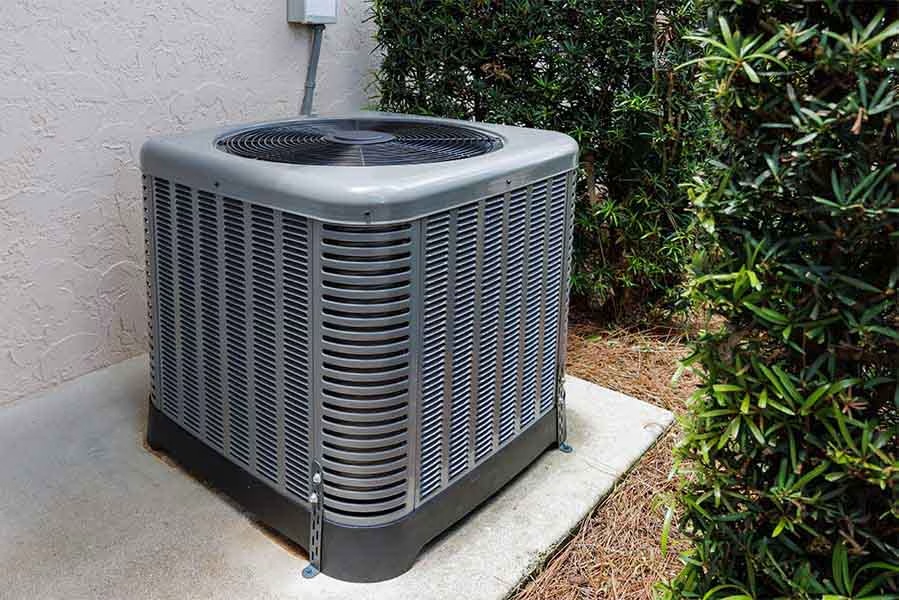
An untreated sensor issue does not simply stay in place. It compounds. Continuous operation wears down compressor components faster than normal cycling would. Repeated short cycling stresses electrical components and refrigerant-side equipment. The longer a faulty sensor drives system behavior, the more likely secondary problems will develop, turning what started as a straightforward repair into a more involved and expensive one.
Scheduling a professional diagnostic at the first sign of sensor trouble is always the more cost-effective path. A certified technician can pinpoint whether the sensor itself has failed, whether the wiring has degraded, or whether the issue lies with the control board receiving the sensor’s signal. Accurate diagnosis leads to accurate repairs, which means no guesswork and no unnecessary part replacements.
Enrolling in an AC maintenance plan also helps catch sensor drift before it becomes a full failure. During routine maintenance visits, technicians verify that sensor readings align with actual conditions, giving early warning of components that are beginning to lose accuracy.
Your System Deserves a Proper Diagnosis, Not a Guess
Sensor failures share symptoms with other HVAC problems, including low refrigerant, dirty evaporator coils, and thermostat wiring issues. That overlap is exactly why a professional diagnosis matters. Without the right tools and training, it is easy to misidentify the root cause and replace a component that was never the problem.
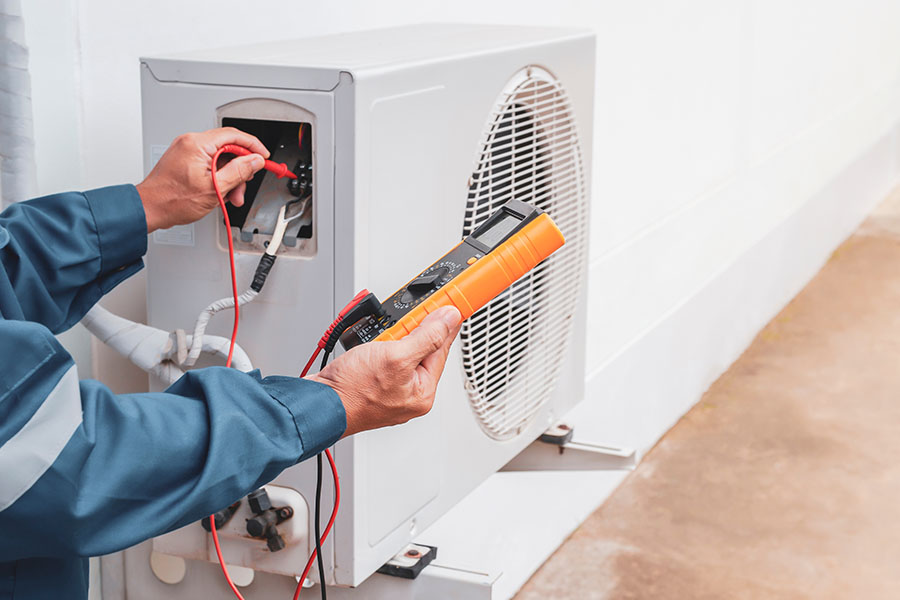
At Automated Comfort Systems, our technicians carry the diagnostic equipment needed to test sensor accuracy, trace communication faults, and identify whether repair or replacement is the right call. We do not recommend unnecessary work, and we explain our findings clearly before anything is done. That commitment to honesty has defined how we operate since 1983.
Keeping Kernersville Comfortable, One System at a Time
If you have noticed any of the warning signs described above, a failing AC sensor may be at the root of the problem. Ignoring the symptoms rarely leads anywhere good, and the sooner a certified technician takes a look, the better the outcome tends to be.
Automated Comfort Systems Heating & AC Repair has been serving homes and businesses across the Piedmont Triad for over four decades. Our team brings field-tested expertise to every diagnostic visit, and we back our work with the straightforward communication Kernersville homeowners have come to expect from us.
When your system indicates something is wrong, contact our team today to schedule your AC inspection and get reliable answers from technicians who know these systems inside and out.